Food Therapy
Chinese medicine treats insomnia as a symptom pointing to a pattern — heart blood deficiency, yin deficiency with heat, liver qi stagnation, or phlegm-heat. Here is how to identify which pattern is causing your insomnia and the food-level approach for each.
5 min read4/15/2026
Food Therapy
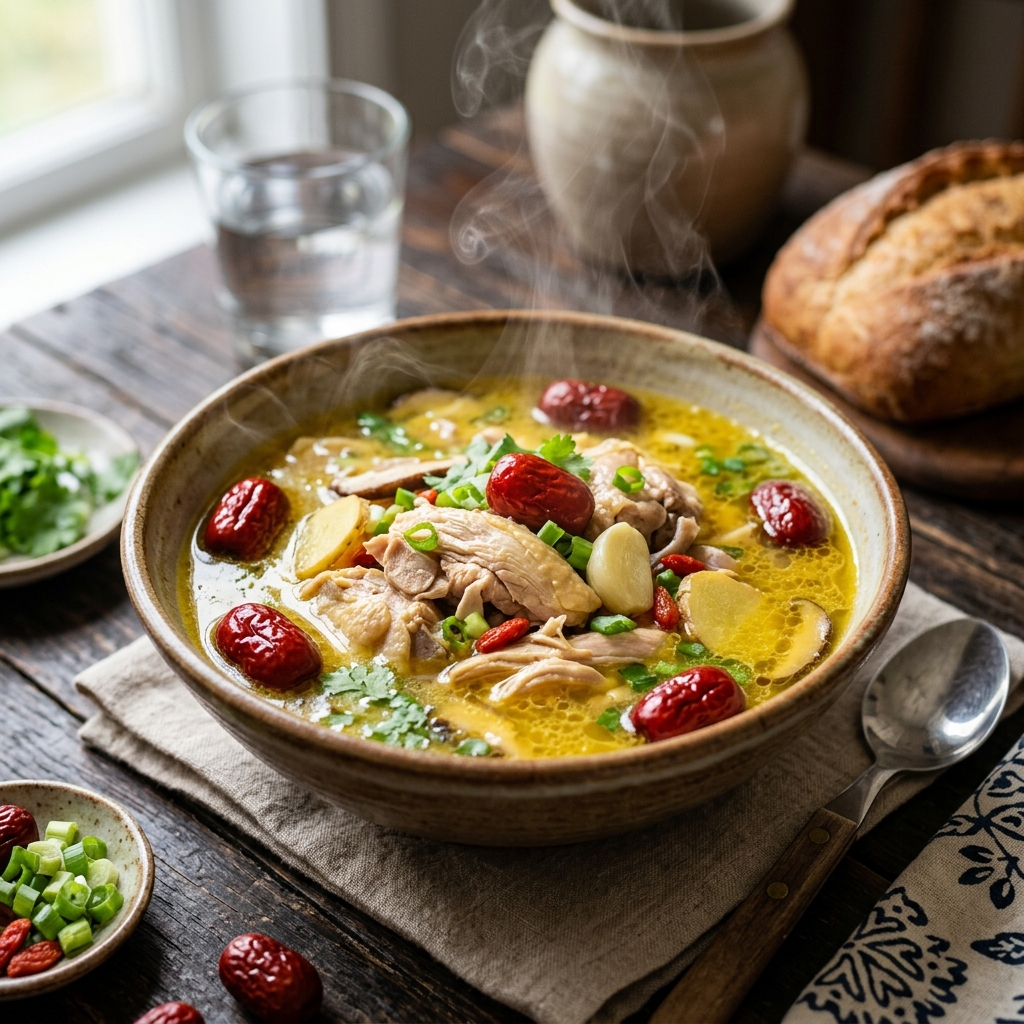
Red dates (hong zao, jujube) are the most widely eaten tonic food in China — tonifying spleen qi, nourishing blood, and calming the shen. Here is the TCM framework for their three main applications and how to use them daily.
5 min read4/15/2026
Food Therapy
Warming foods in TCM refers to thermal nature — the constitutional heating quality of a food, not its serving temperature. Here is the complete classification: what is warming, what is cooling, who needs which, and how Chinese medicine uses the distinction.
5 min read4/15/2026
Food Therapy
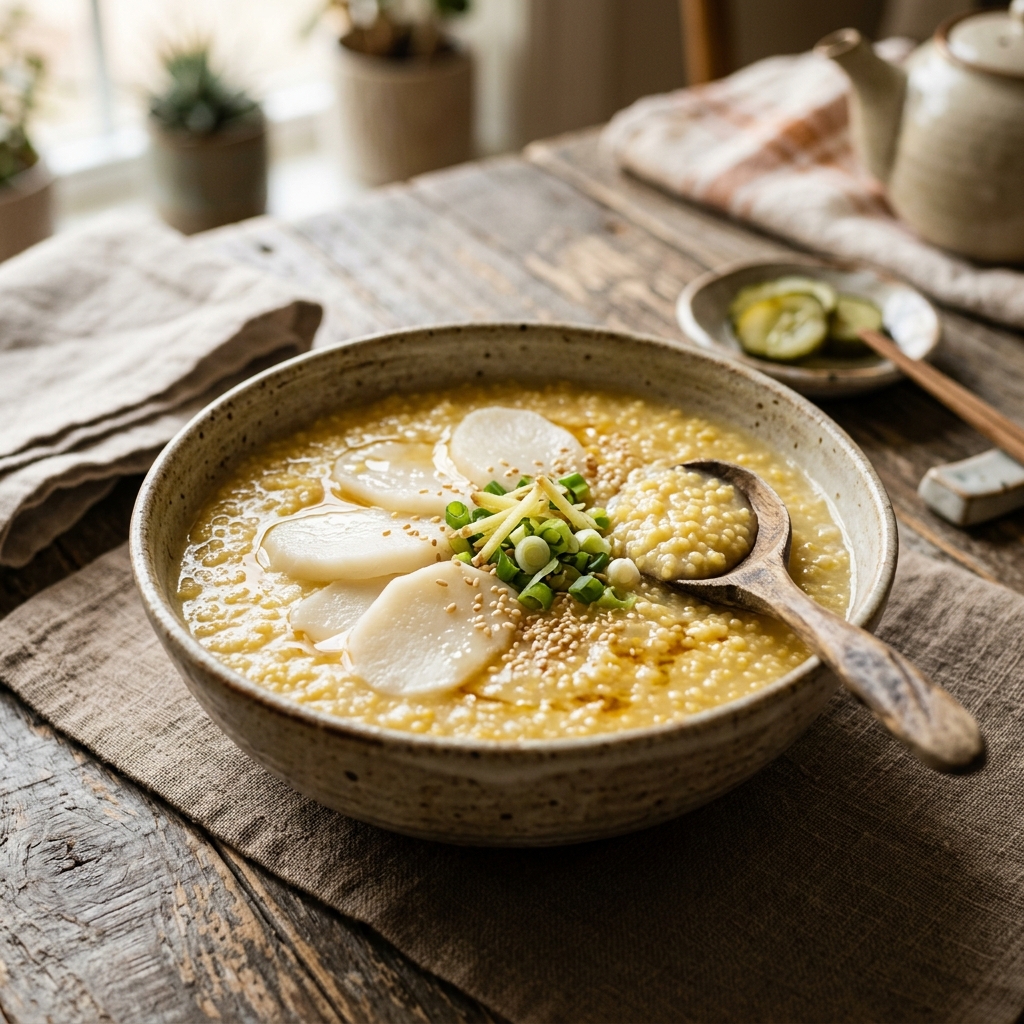
Congee is rice cooked until completely broken down — the most digestively easy food in Chinese medicine. Here is the TCM framework for why it is the default sick food, how it nourishes the spleen, and the main medicinal variations.
5 min read4/15/2026
Food Therapy
Astragalus (huang qi) tonifies spleen and lung qi, strengthens wei qi, and consolidates the defensive surface — the TCM explanation for its use in preventing recurrent infections and supporting recovery. Here is the complete framework and how to use it in food.
6 min read4/14/2026
Food Therapy
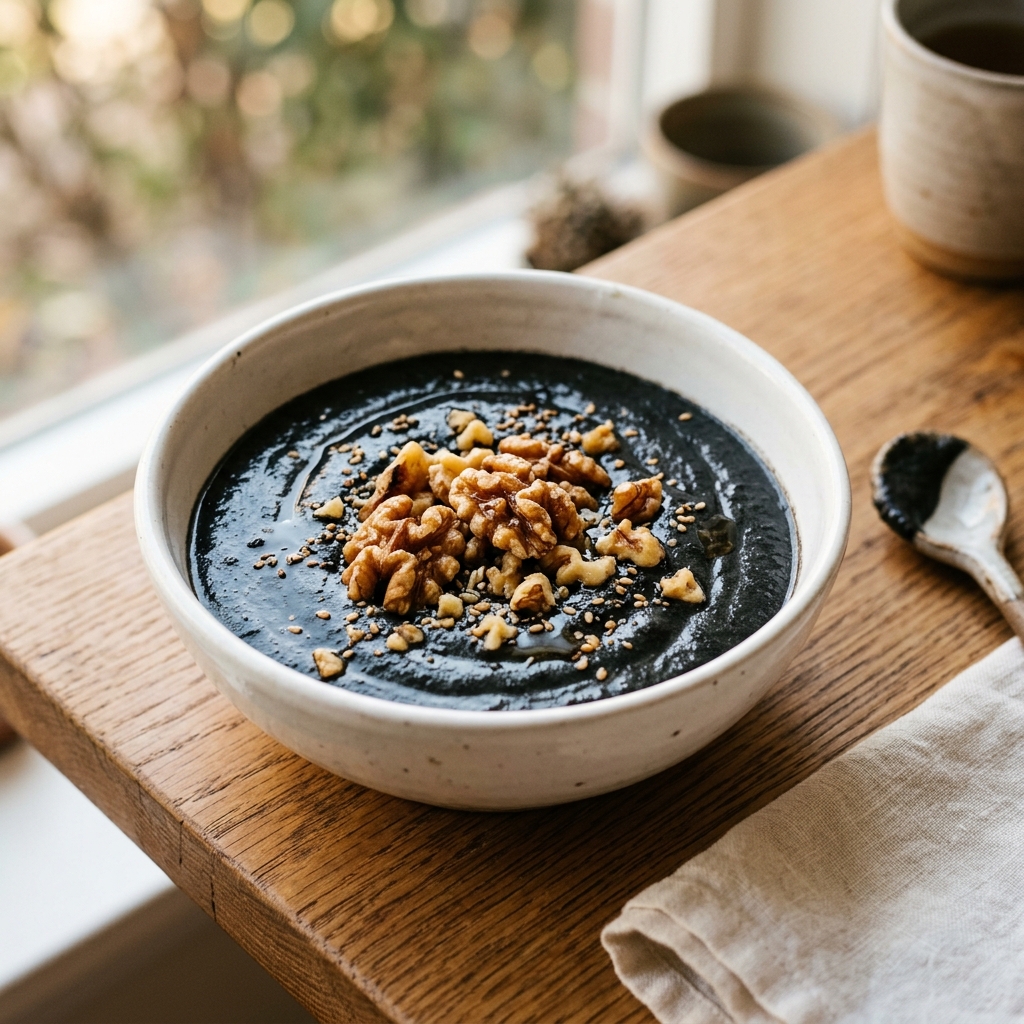
Black sesame nourishes liver-kidney yin, blood, and essence — the TCM explanation for its use for premature greying, hair loss, dry eyes, and dry constipation. Here is the full framework, preparation methods, and who benefits most.
5 min read4/14/2026
Food Therapy
Hawthorn (shan zha) disperses food stagnation, moves blood and qi, and has research-backed cardiovascular effects. Here is the TCM framework for its three main applications and how to use it in daily practice.
5 min read4/14/2026
Food Therapy
Poria (fu ling) is one of the most used herbs in Chinese medicine — it strengthens the spleen, drains dampness, and calms the shen simultaneously. Here is the full TCM framework, the classical formula context, and how to use it in daily food.
5 min read4/14/2026
Food Therapy
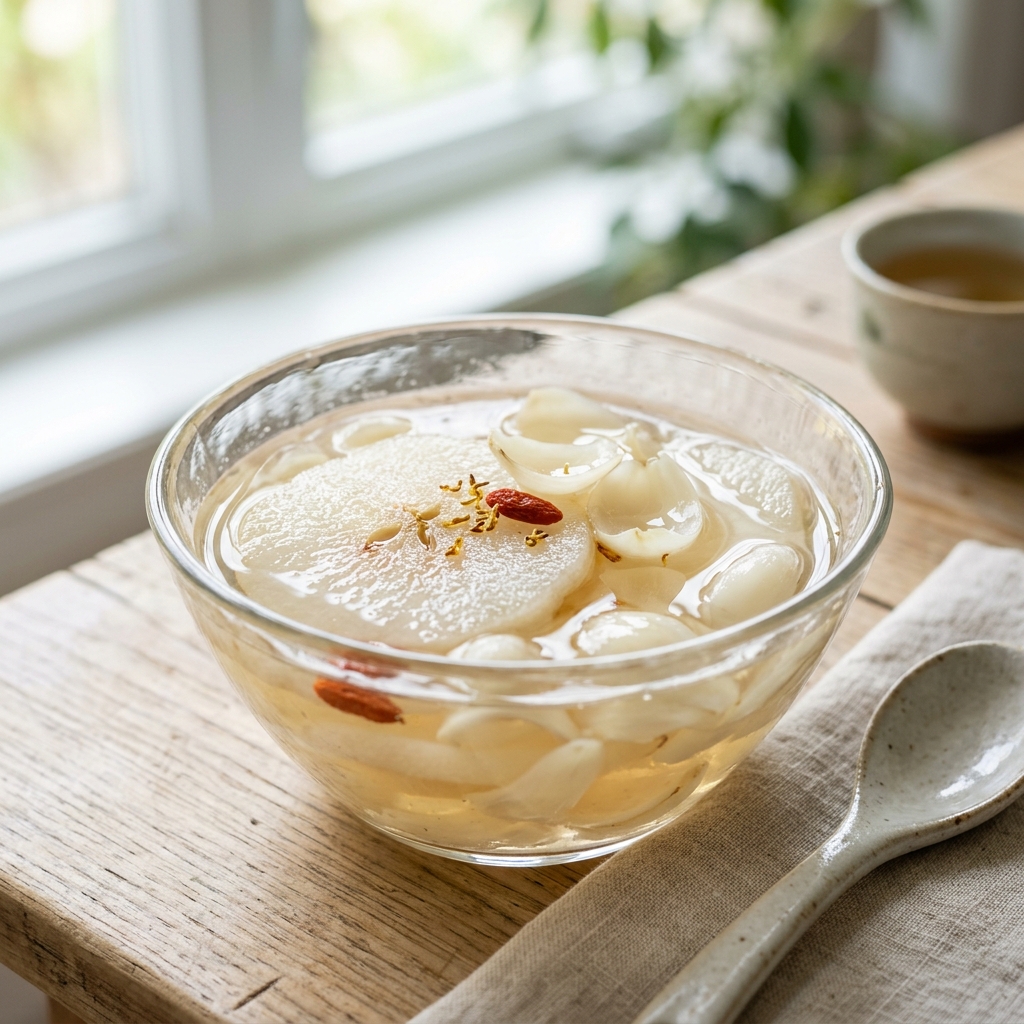
Snow fungus (tremella, yin er) nourishes lung and stomach yin, generates fluids, and moistens dryness — the TCM explanation for its use for dry cough, dry skin, and autumn lung protection. Here is the framework and preparation.
6 min read4/14/2026
Food Therapy
Zuo yuezi (sitting the month) is built on TCM postpartum blood and qi deficiency — blood loss, open channels, spleen weakness. Here is the food framework: what to eat in each phase, why, and how to apply the core principles in contemporary life.
7 min read4/13/2026
Food Therapy
The five-element framework maps foods to organ systems through flavour, colour, and season. Here is the practical reference: Wood (liver), Fire (heart), Earth (spleen), Metal (lung), and Water (kidney) — what to eat for each, and when.
7 min read4/13/2026
Food Therapy
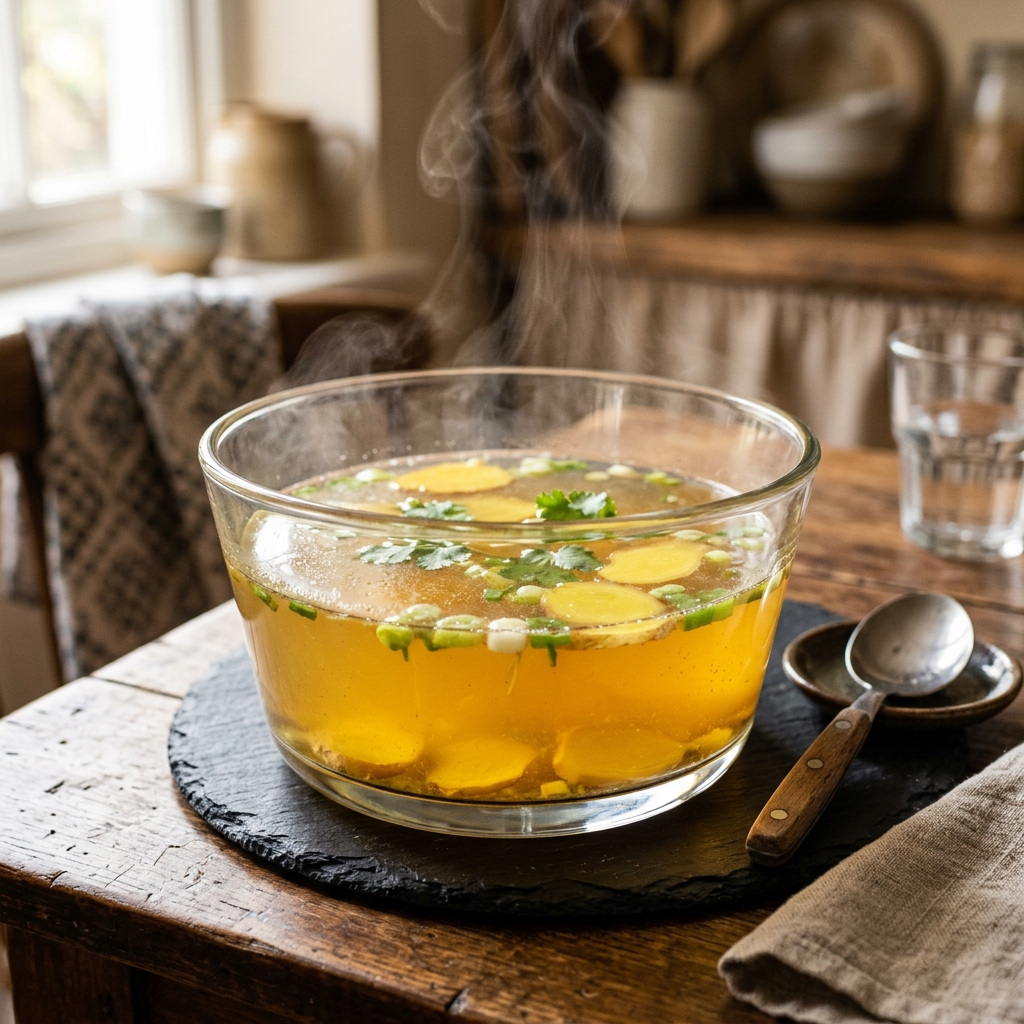
Ginger is in more Chinese herbal formulas than almost any other ingredient. Fresh ginger releases wind-cold and stops nausea; dried ginger warms the interior deeply. Here is the full TCM framework and practical applications.
6 min read4/13/2026
Food Therapy
Dried longan nourishes heart blood and spleen qi, calms the shen, and addresses palpitations, floating anxiety, poor memory, and insomnia from heart-spleen deficiency. Here is the TCM framework, the daily practice, and who it is actually for.
5 min read4/13/2026
Food Therapy
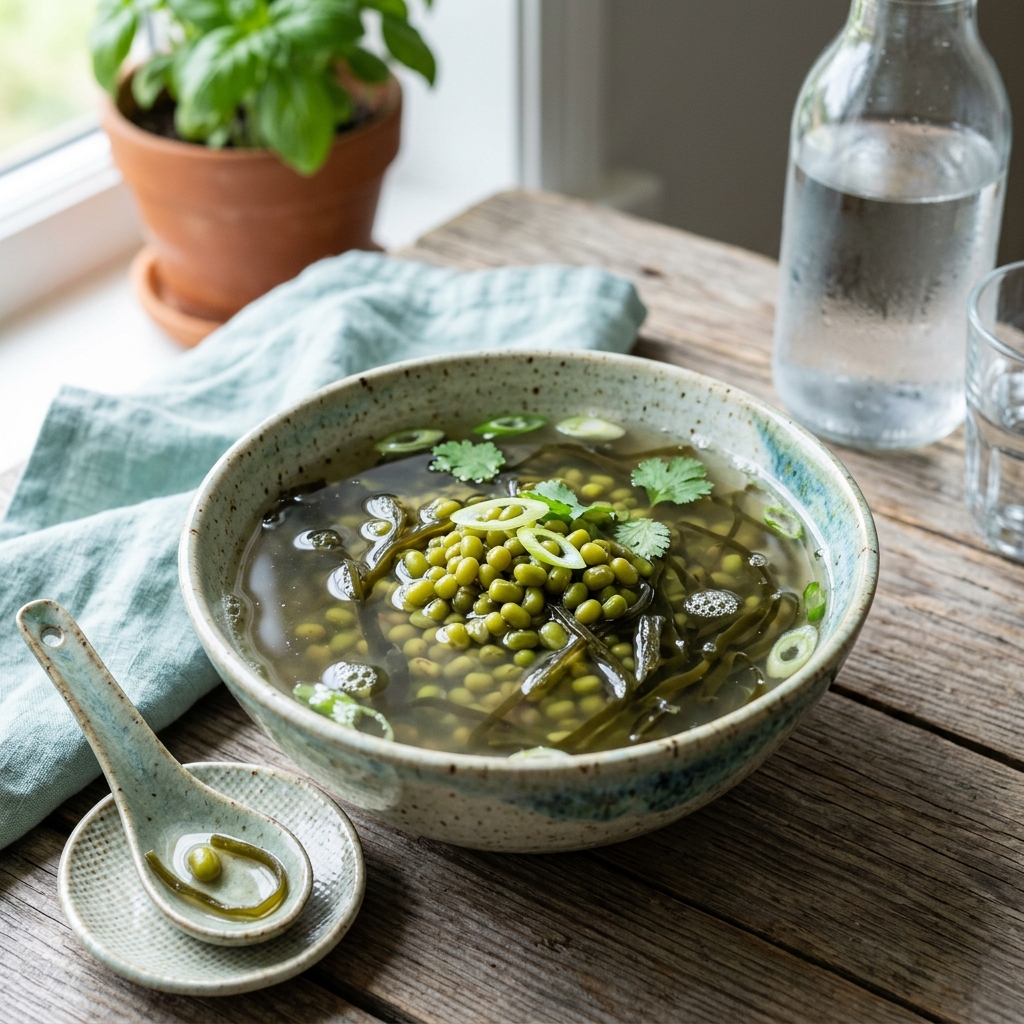
Mung beans clear heat, eliminate toxins, relieve summer heat, and generate fluids — the specific TCM actions that make them the definitive Chinese summer food. Here is the complete framework, preparation, and who they are actually for.
5 min read4/13/2026
Food Therapy
Chrysanthemum tea clears liver heat, calms rising liver yang, and benefits the eyes — the specific TCM actions that explain why it is the reflexive choice for red eyes, temporal headaches, and the hot irritable stress pattern.
6 min read4/12/2026
Food Therapy
In TCM, gut health is primarily a spleen question — the spleen transforms food into qi and blood. Here is the main gut patterns (spleen deficiency, dampness, stomach heat, liver-spleen disharmony) and the food approach for each.
6 min read4/11/2026
Food Therapy
TCM explains excess weight primarily as dampness — a spleen deficiency pattern, not a calorie problem. Here is how to identify which pattern you have, and the food and lifestyle approach for dampness, qi stagnation, and kidney yang deficiency weight patterns.
5 min read4/10/2026
Food Therapy
Lotus root (莲藕) has a thermal character that changes with cooking — raw cools blood and clears heat, cooked nourishes the spleen and stops deficiency bleeding. Here is the full TCM profile, preparation methods, and when to use each form.
6 min read4/9/2026
Food Therapy
Chinese medicine has used turmeric for centuries — but not as a daily anti-inflammatory supplement. Here is what TCM actually uses it for, why the Western supplement approach misses the point, and how to use it correctly.
6 min read4/6/2026
Food Therapy
Ginseng is TCM's premier qi tonic. Here is what Chinese medicine actually uses it for, which type to choose, and how modern research holds up.
9 min read4/4/2026
Food Therapy
Lotus seeds (lian zi) are one of the most versatile food-herbs in Chinese medicine — calming the mind, supporting digestion, and consolidating kidney essence. Here is what they do and how to use them.
6 min read4/4/2026
Food Therapy
Reishi (灵芝) has been used in TCM for 2,000 years. Here is what it is actually for, which form to buy, and what the research shows about sleep, immunity, and fatigue.
8 min read4/4/2026
Food Therapy
Black fungus (mu er) is a staple of Chinese cooking with specific therapeutic properties in TCM — nourishing blood, improving circulation, and preventing blood stasis. Here is what it does and how to use it.
5 min read4/3/2026
Food Therapy
Chinese herbal medicine is not the same as taking supplements. Here is how formulas are structured, which everyday herbs are safe to use without a practitioner, and where professional guidance is needed.
7 min read4/3/2026
Food Therapy
Goji berries have been used in TCM for 2,000 years — not as a superfood trend, but as a liver-kidney tonic for eyes, hair, and longevity. Here's the real framework.
7 min read4/3/2026
Food Therapy
Job's tears — yi ren — is the primary food-grade herb in Chinese medicine for draining dampness. Here is what dampness means in TCM, how yi ren works, and how to cook and combine it.
6 min read4/3/2026
Food Therapy
Chinese medicine distinguishes wind-cold from wind-heat and treats each differently. Here are the classic home remedies, what to eat, and what to avoid.
8 min read4/2/2026
Food Therapy
TCM's approach to weight loss focuses on dampness, spleen function, and meal timing — not calories. Learn the Chinese framework for sustainable weight management.
7 min read4/2/2026
Food Therapy
The Chinese approach to sleep through tea is not about sedation. It is about calming the nervous system with warming, nourishing herbs that have been used for centuries. Here are the teas that work, what they contain, and how to use them.
6 min read4/2/2026
Food Therapy
TCM places digestion at the center of health. The spleen-stomach framework explains bloating, IBS, fatigue, and food stagnation — and what to do about each.
8 min read4/2/2026
Food Therapy
A plain-language introduction to Chinese food therapy as ordinary everyday regulation, not mystical ingredient lore.
4 min read3/20/2026
Food Therapy
An insider explanation of why soup, congee, and other warm simple meals appear so quickly in Chinese everyday care when someone feels run down.
9 min read3/17/2026
Food Therapy
Three simple Chinese-style recovery meals that make food therapy feel practical: soup, congee, and a warm rice bowl.
9 min read3/16/2026
Food Therapy
A beginner guide to practicing Chinese food therapy abroad or with ordinary supermarket ingredients, without turning the habit into authenticity theater.
6 min read3/15/2026
Food Therapy
A low-cost tea ritual for desk workers with screen-related eye fatigue, dry eyes, and heavy late-afternoon visual strain.
3 min read3/13/2026
Food Therapy
A low-cost ginger and goji tea routine for desk workers who want a gentler afternoon reset and a simple recovery habit.
6 min read3/12/2026